
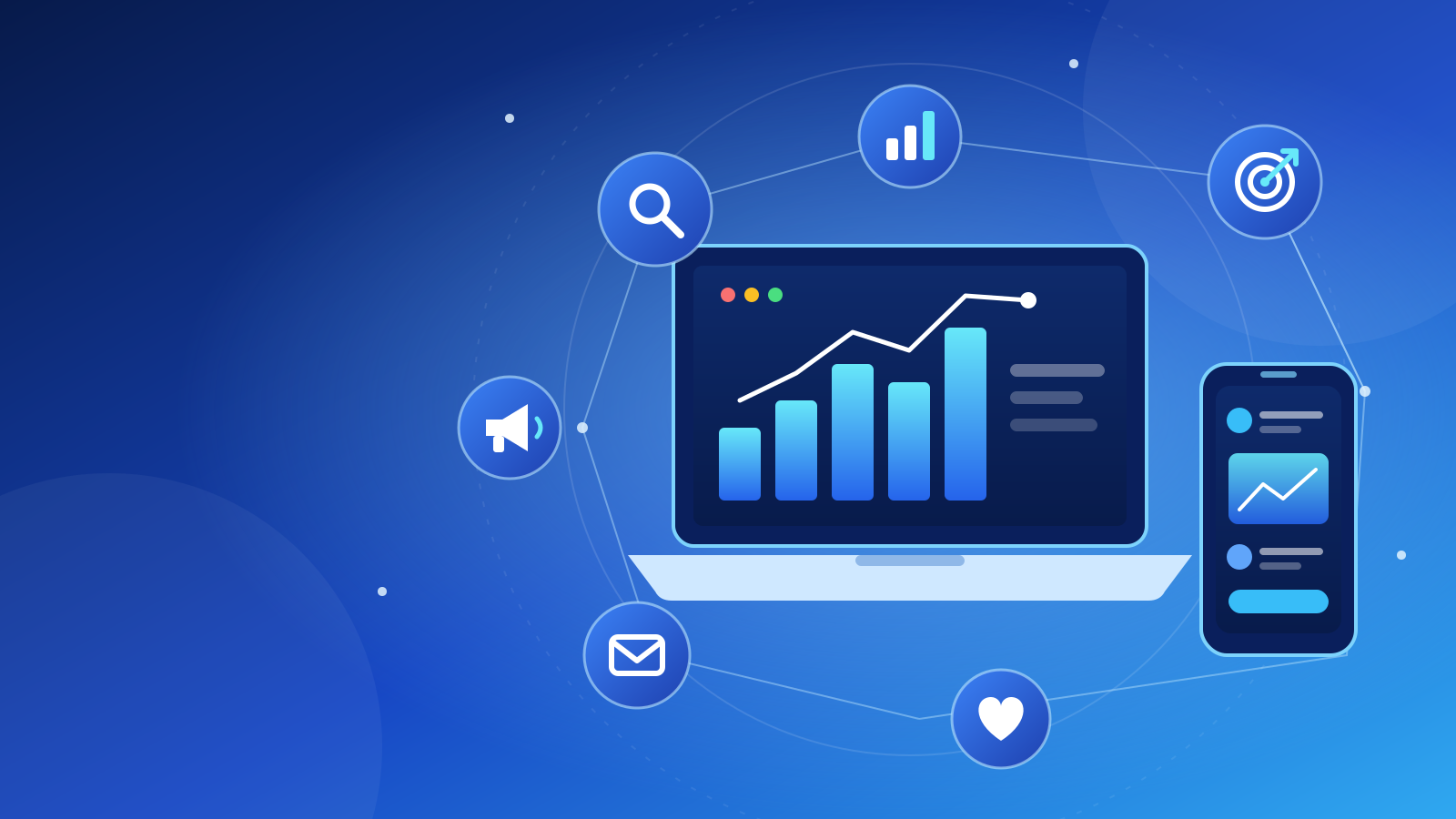
Digital marketing offers Reach, Precision, Cost efficiency and Speed for small businesses compared to traditional marketing.
Achieng bakes the best cakes in Kisumu, or so her customers say. Last year she spent KSh 15,000 boosting posts on Facebook and Instagram. She got plenty of likes and almost no orders, and she was ready to blame the internet.
The real problem was simpler. Nobody had ever explained how digital marketing works. (Achieng is a made-up character, but her story will sound familiar to many business owners.)
Here is the good news: it is far less complicated than it looks. Digital marketing is simply how people find you, trust you and decide to buy from you. Most beginners lose months and money on the wrong platforms and tricks. Follow Achieng through the handful of ideas below, and you will stop guessing.
Digital or traditional?
Achieng's first thought was to buy a radio slot, the way the big brands do. Traditional marketing, meaning radio, TV, newspapers and billboards, still works. A billboard on Thika Road is seen by thousands of people every day.
But for a small business, digital has four big advantages.
- Reach. Anyone with a smartphone is a possible customer.
- Precision. You can show your cake to mums aged 25 to 40 in Kisumu who follow baking pages, instead of shouting at everyone.
- Cost. A prime-time TV advert or a Daily Nation front page is built to reach everybody. You pay for thousands of people who will never buy your cake.
- Speed. A printed advert takes weeks to design and print, and months to tell you if it worked. A post goes live in minutes, and you can see clicks, costs and enquiries the same day.
Traditional media still has its place once you have mastered digital. The real lesson is to look past the platform and focus on what makes people click and buy. That is strategy, and it is exactly where Achieng went wrong.
Strategy first, tactics second
Achieng's boosted posts were tactics: small moves like when to post, which hashtags to use, or whether a photo or a video works better. Tactics are useful, but without a strategy they are just noise, a lot of motion that gets you nowhere fast.
Strategy is the plan. Think of it as choosing the right battlefield, while tactics are how you fight on it. Pick the wrong battlefield and it does not matter how good your moves are.
A strong strategy has five parts, and they build on each other.
1. Model. This is what you sell, how you price it and how you deliver it. It must be profitable, enjoyable to run, and something people genuinely want to pay for. Before spending a shilling on adverts, do a little market research. Ask ten past customers what they like and what they would pay.
2. Market. These are your people, and the answer is never "everyone with M-Pesa". Build a clear picture of your ideal customer: their age, income and job; where they live; and, most important, what they value, believe and want from life. Achieng realised her best customers were busy working mums who want a stunning birthday cake without the stress. Aim to describe your customer better than they could describe themselves.
3. Message. Now speak their language. Talk about their struggles, show you understand them, then show how you solve the problem. Stories, testimonials and real results do this best. Achieng started sharing screenshots of happy WhatsApp messages from customers. People buy when they feel understood, not merely when they understand.
4. Media. Only now do you choose your platforms. Starting here is one of the most common beginner mistakes, and it feeds what marketers call shiny object syndrome: chasing every new app while your time and money drain away. Achieng's mums were on Facebook, Instagram and WhatsApp, so that is where she went, not LinkedIn.
5. Machine. This is the part most people skip, and it separates a hobby from a business. Your machine is your marketing funnel, the path a stranger takes to become a loyal customer. For Achieng it looks like this: a post or short video catches attention, an offer such as a free cake-care guide gets a phone number, helpful WhatsApp messages build trust, and then an easy M-Pesa order closes the sale. Think of a vending machine: attention goes in, a sale comes out, and it works again and again.
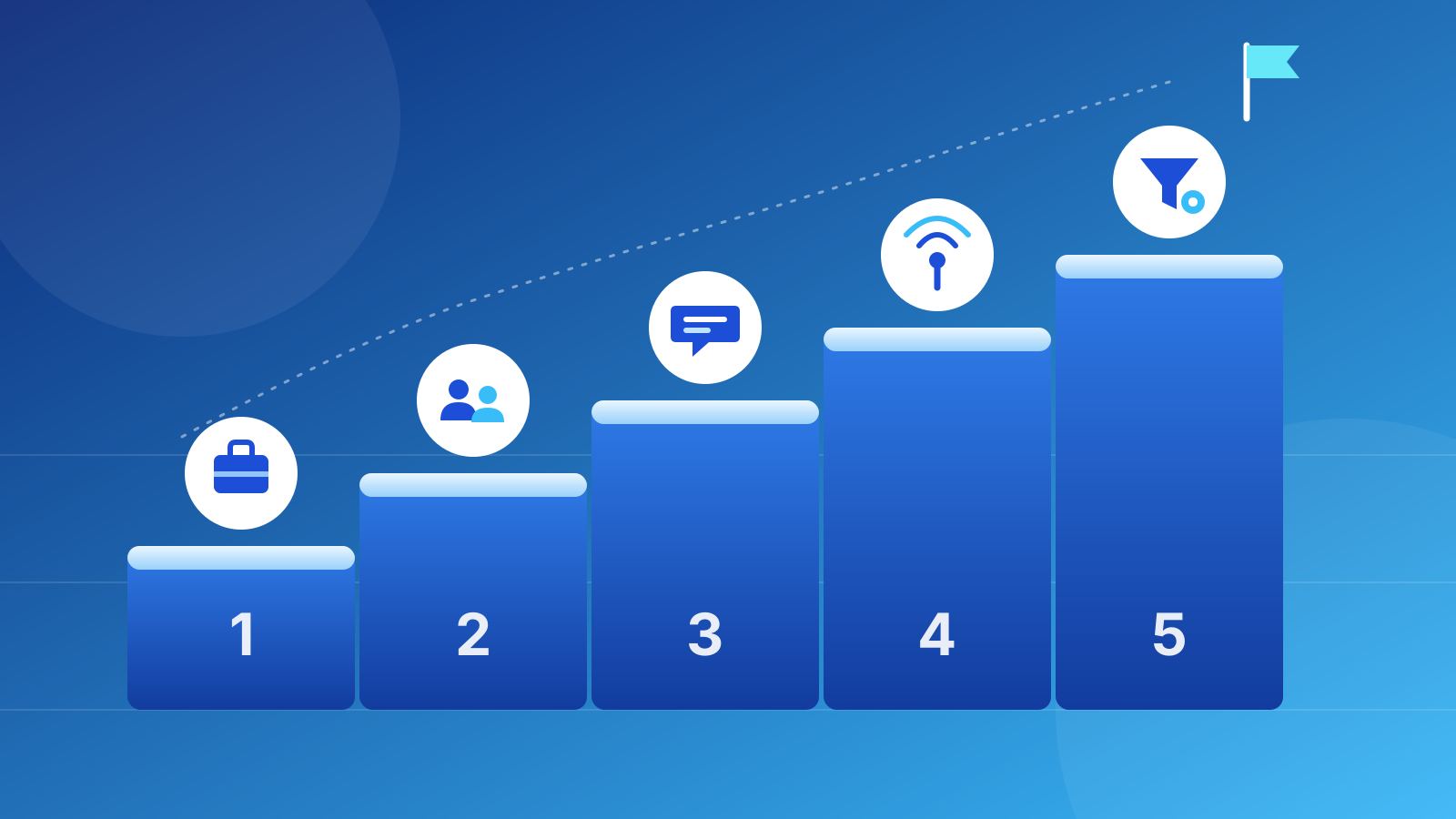
Get these five right and everything else, including your tactics, becomes easier.
Organic or paid?
With her plan in place, Achieng faced the next question: should she post for free or pay for adverts?
Organic marketing is anything you publish without paying to promote it: Instagram stories, blog posts, emails, WhatsApp Status updates. It is not truly free, because it costs your time and energy, but it builds trust slowly. Paid marketing means paying to put your message in front of more people, through Facebook, Instagram, YouTube or Google ads.
So which is better? Both, depending on whether you are investing time or money. Posting three reels a week is organic and helps people discover you over time. Spending KSh 1,000 a day to promote your free guide is paid and puts you in front of your ideal customer today.
The smart order is to start organic, prove which message gets a response, then add paid to scale what already works. That is where real growth begins.
Selling now, or being remembered later
Achieng's old posts were pretty photos with a logo and no instructions. That is brand awareness marketing: it plants seeds of reputation and recognition, with the message "remember me". It matters in the long run, but it has two problems. You cannot easily measure it, because nobody sends a notification when they start trusting you. And it rarely makes a sale quickly.
Direct response marketing asks for a clear action: "Order your birthday cake by Thursday. WhatsApp us now." You can track exactly who responded, and you learn what works almost instantly.
The biggest trap is running a brand campaign and expecting direct response results. That is like baking sponge and being upset it came out as bread. Wrong recipe, wrong expectations.
For roughly nine in ten businesses, nine times out of ten, the better bet is to focus almost entirely on direct response and treat any brand-building as a bonus. That is how you grow fast and still last.
Search or discovery?
Not everyone online is there for the same reason. The difference comes down to one word: intent.
Search marketing happens on Google, Bing and YouTube, where people arrive on a mission. Someone typing "wedding cake Kisumu" is not browsing. They are ready to buy. You meet them through SEO, which helps your page rank near the top, or through Google Ads. Intent is high, so conversions can be excellent.
Discovery marketing happens on Instagram, Facebook and TikTok, where people are killing time. They are scrolling, not shopping. Your job here is to stop the scroll by entertaining, surprising or teaching them, and then lead them somewhere useful. You are earning attention, not capturing intent.
YouTube is both. A viewer who searches for a tutorial is in search mode, while someone scrolling Shorts is in discovery mode.
Neither is better. Use the wrong approach at the wrong moment and you simply burn money and effort.
Selling a product versus a service
Achieng's friend Otieno runs a small business filing KRA returns. He copied her tactics, and nothing worked. Most marketing advice is written for physical products, which you can photograph, demonstrate and describe by their features. A cake looks delicious in a picture.
A service is invisible. You cannot hold it, and clients often pay before they have tried it. Product tactics leave service businesses frustrated.
The fix is to sell the transformation, not the service. Do not sell "tax filing". Describe life before and after: before, the stress of rushing on 30 June and fearing penalties; after, returns filed on time and a calm mind. First show you understand their pain, without being harsh about it. Then paint a clear picture of the better place waiting on the other side.
Products show features. Services sell feelings, outcomes and results.
Selling to businesses or to people?
One day a company called Achieng to order cakes for a staff celebration. That is B2B, business to business. Her usual customers, families buying for birthdays, are B2C, business to consumer. The two behave very differently.
B2B means fewer customers, bigger deals, longer decisions and several people who must agree. It responds to logic: return on investment, clear process, reliable outcomes. B2C means more customers and quicker decisions, and it responds to emotion: desire, identity and lifestyle.
A simple way to remember it: B2B buyers want to feel smart and safe, while B2C buyers want to feel seen and excited. And selling to consumers is no licence to chase anyone with a pulse. You still need that clear picture of your ideal customer.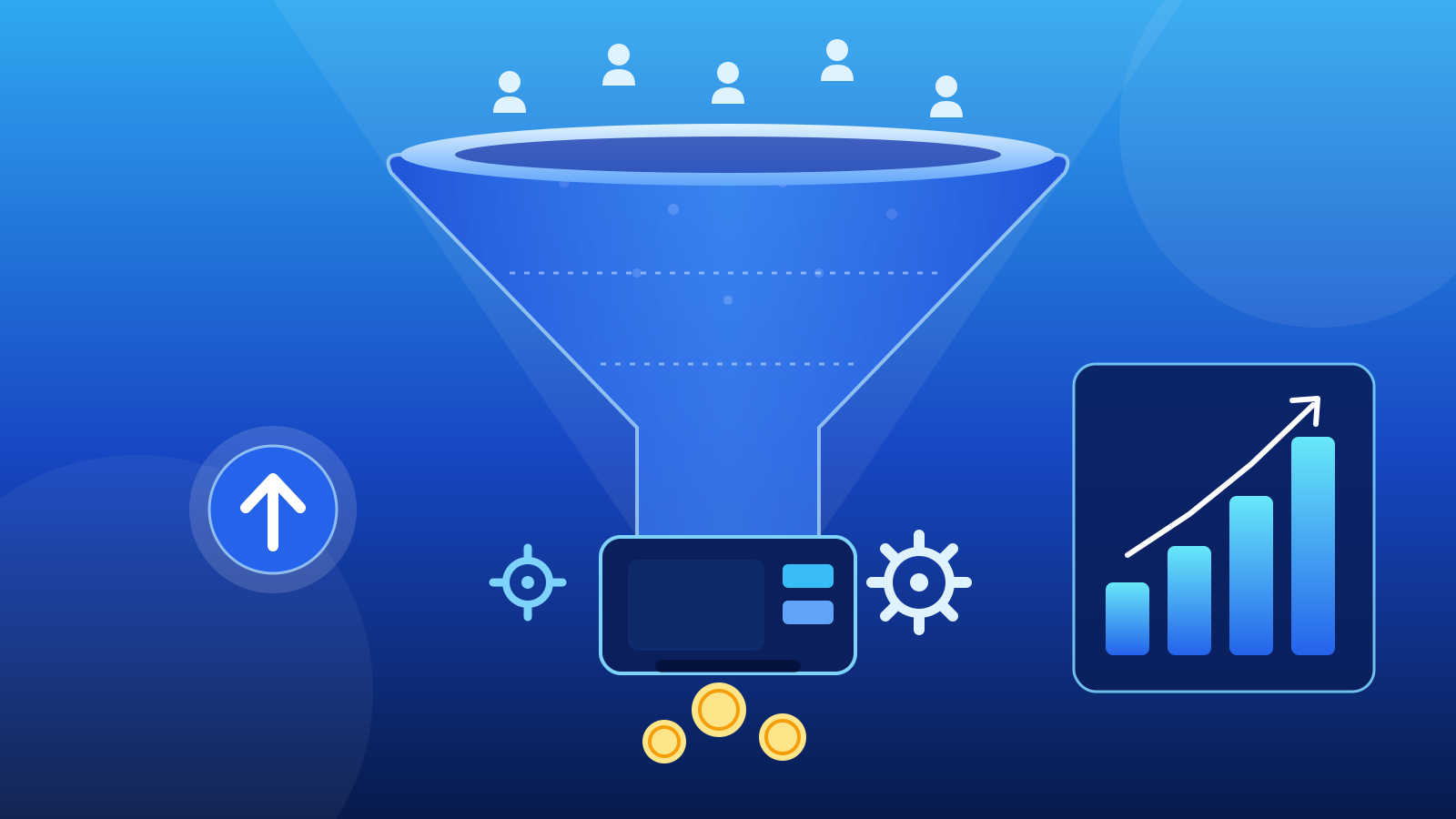
The takeaway
Six months later, Achieng spends less than she used to and gets more orders. She did not discover a secret platform. She simply followed the order: settle your model, market, message, media and machine before obsessing over tactics. Start organic, then scale what works with paid. Ask for a clear action. Match your approach to your customer's intent, and sell the transformation rather than the features.
Digital marketing is not magic. It is a few clear ideas, applied in the right order.